
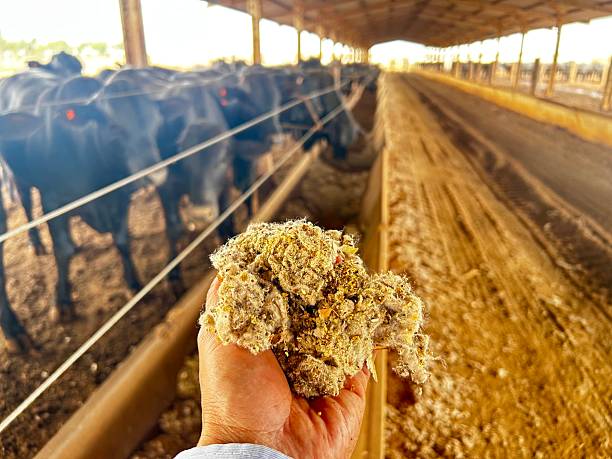

Proper nutrition is the foundation of successful livestock farming. Whether you raise dairy cows or beef cattle, providing a balanced diet is essential for maintaining good health, improving productivity, and supporting long-term performance. While forage and regular feed supply many essential nutrients, they may not always meet all of an animal’s nutritional requirements. This is where a cattle feed supplement becomes an important part of a feeding program.
Cattle feed supplements provide additional vitamins, minerals, proteins, amino acids, and other nutrients that help support growth, milk production, reproduction, and overall health. When used appropriately alongside a balanced diet, they can contribute to healthier animals and better farm efficiency.
In this article, you’ll learn what buy cattle feed supplement online, their benefits, different types, and how to choose the right one for your herd.
What Is a Cattle Feed Supplement?
A cattle feed supplement is a nutritional product designed to complement a cow’s regular feed by supplying nutrients that may be lacking in forage, hay, silage, or grain-based diets.
These supplements are available in several forms, including:
Powder
Pellets
Granules
Liquid supplements
Mineral blocks
Feed premixes
They are commonly used in dairy farms, beef operations, breeding programs, and calf-rearing systems.
Why Are Cattle Feed Supplements Important?
Cattle require balanced nutrition throughout different stages of life. Nutritional needs change based on age, breed, health status, pregnancy, lactation, and production goals.
A quality cattle feed supplement can help:
Improve nutrient intake
Support healthy growth
Maintain body condition
Promote efficient digestion
Support reproductive performance
Strengthen the immune system
Help maintain healthy bones and muscles
Supplements work best when combined with proper feeding practices, clean water, and good herd management.
Benefits of Cattle Feed Supplements
1. Supports Healthy Growth
Young calves and growing cattle require adequate nutrients for proper muscle and bone development. Supplements can help provide the protein, minerals, and vitamins needed during growth.
2. Improves Milk Production
Lactating dairy cows have high nutritional demands. Proper supplementation may help support milk production when combined with a balanced feeding program and good management.
3. Enhances Reproductive Health
Essential minerals and vitamins play an important role in fertility, pregnancy, and healthy calf development.
4. Boosts Immune Function
Proper nutrition supports the immune system, helping cattle better cope with environmental and management-related stress.
5. Promotes Better Digestion
Some supplements contain probiotics or yeast cultures that support rumen function and efficient digestion.
6. Improves Feed Efficiency
Balanced nutrition helps cattle utilize available feed more effectively, which may improve overall productivity.
Common Types of Cattle Feed Supplements
Mineral Supplements
Mineral supplements provide essential nutrients such as:
Calcium
Phosphorus
Magnesium
Zinc
Copper
Selenium
Manganese
These minerals support bone development, metabolism, and reproductive health.
Vitamin Supplements
Important vitamins include:
Vitamin A
Vitamin D
Vitamin E
Vitamin B Complex
These vitamins support growth, immunity, and normal body functions.
Protein Supplements
Protein supplements help meet increased protein requirements for growing cattle and lactating dairy cows.
Energy Supplements
Energy supplements provide additional calories for cattle with increased nutritional needs, such as high-producing dairy cows or rapidly growing beef cattle.
Probiotic Supplements
Probiotics help maintain a healthy digestive system and support nutrient utilization.
Trace Mineral Supplements
These products supply small amounts of essential minerals that play important roles in enzyme function, immunity, and overall health.
Key Ingredients Found in Cattle Feed Supplements
High-quality supplements may include:
Protein sources
Essential amino acids
Calcium
Phosphorus
Magnesium
Zinc
Copper
Selenium
Iron
Vitamins A, D, and E
Yeast cultures
Probiotics
Prebiotics
Always review the product label to understand the nutrient composition.
How to Choose the Best Cattle Feed Supplement
Selecting the right supplement depends on your herd’s specific needs.
Consider the following factors:
Age
Different products are formulated for:
Calves
Growing cattle
Adult cows
Pregnant cattle
Lactating cows
Production Goals
Choose supplements based on whether you want to support:
Growth
Milk production
Reproduction
General health
Body condition
Feed Quality
The nutrient content of your existing forage and feed influences which supplements, if any, may be beneficial.
Ingredient Quality
Look for products from reputable manufacturers with clear ingredient lists and nutritional information.
Professional Advice
Consult a veterinarian or animal nutritionist before making major changes to your herd’s feeding program, particularly if animals have health concerns or special nutritional requirements.
Best Practices for Using Cattle Feed Supplements
For the best results:
Follow the manufacturer’s feeding recommendations.
Ensure cattle always have access to clean drinking water.
Store supplements in a cool, dry place.
Introduce dietary changes gradually.
Monitor body condition and overall health regularly.
Keep feeding equipment clean.
Common Mistakes to Avoid
Avoid these common errors:
Feeding excessive amounts of supplements
Ignoring feeding instructions
Using expired products
Storing supplements in damp conditions
Purchasing products without checking ingredients
Assuming one supplement is suitable for every animal
Replacing a balanced diet with supplements alone
Signs That Cattle May Need Nutritional Support
Potential signs include:
Poor weight gain
Reduced milk production
Dull hair coat
Poor growth
Weak calves
Reduced fertility
Decreased appetite
Low energy levels
These signs can have many possible causes. A veterinarian should evaluate affected animals before nutritional changes are made.
Conclusion
A cattle feed supplement can play an important role in supporting the health and productivity of your herd when used as part of a balanced nutrition program. The right supplement may help provide essential nutrients that support growth, milk production, digestion, reproduction, and overall well-being.
Because every farm and herd is different, choose supplements based on your animals’ age, production stage, diet, and management goals. Reading product labels carefully and seeking professional guidance when needed can help you make informed feeding decisions and promote long-term herd health.
Frequently Asked Questions (FAQs)
1. What is a cattle feed supplement?
A cattle feed supplement is a nutritional product that provides additional vitamins, minerals, proteins, or other nutrients to complement a cow’s regular diet.
2. Why are cattle feed supplements important?
They help address nutritional gaps in the diet and support growth, milk production, reproduction, immune function, and overall health.
3. Can cattle feed supplements increase milk production?
When nutritional deficiencies are present, appropriate supplementation as part of a balanced feeding program may support milk production. Results depend on overall nutrition, genetics, herd management, and animal health.
4. What nutrients are commonly found in cattle feed supplements?
Common ingredients include proteins, vitamins, minerals, amino acids, probiotics, and trace elements such as zinc, copper, selenium, calcium, and phosphorus.
5. Are cattle feed supplements suitable for calves?
Some supplements are specifically formulated for calves, while others are intended for adult cattle. Always use products according to the manufacturer’s recommendations.
6. How often should cattle receive feed supplements?
The feeding schedule depends on the product, the animals’ nutritional needs, and the overall diet. Follow the product instructions and consult a veterinarian or nutritionist if needed.
7. Can I use multiple cattle feed supplements together?
Using multiple supplements without guidance may result in excessive intake of certain nutrients. It’s best to review the formulations and seek professional advice before combining products.
8. How should cattle feed supplements be stored?
Store them in a cool, dry, well-ventilated place away from direct sunlight and moisture. Keep containers tightly sealed.
9. Are cattle feed supplements a replacement for regular feed?
No. Feed supplements are designed to complement a balanced diet, not replace forage, hay, silage, or other primary feed sources.
10. How do I choose the best cattle feed supplement?
Choose a supplement based on your cattle’s age, production stage, nutritional requirements, existing diet, and farming goals. Products from reputable manufacturers with clear labeling are generally preferred, and professional advice can help ensure the supplement is appropriate for your herd.

