
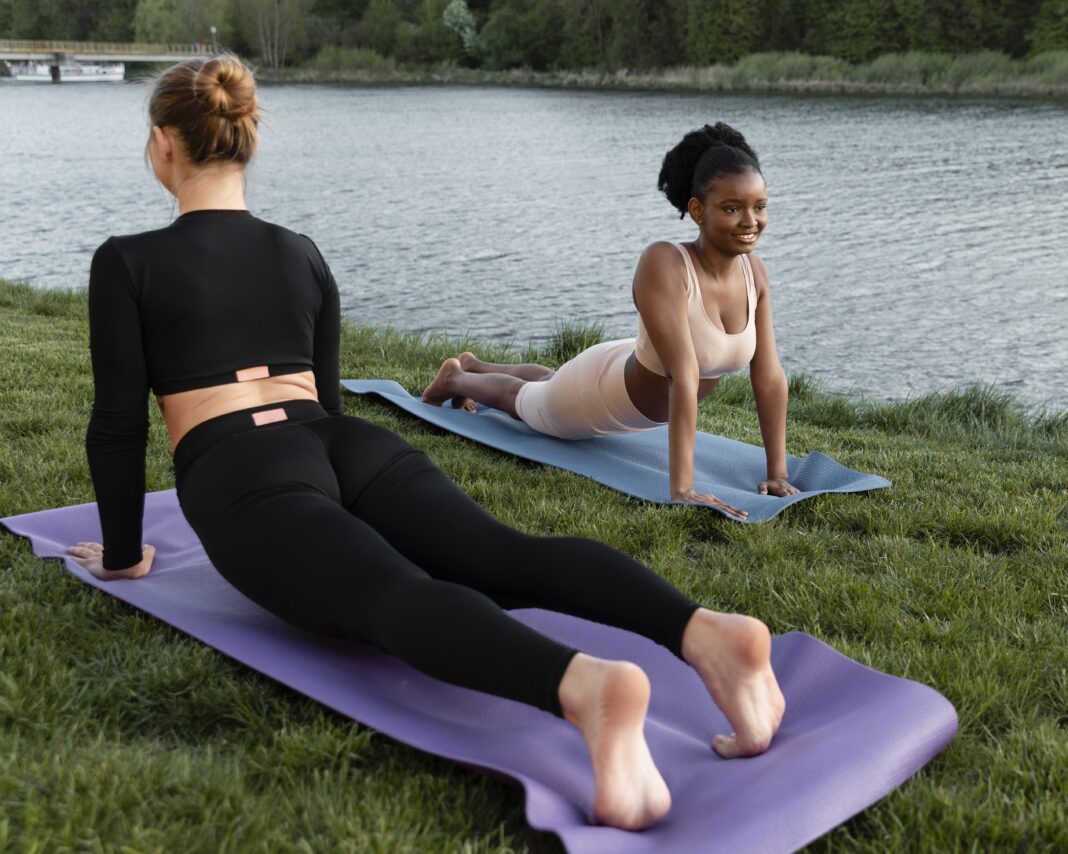

Nowadays, the American population, who are slowly getting used to the rapid life, turn the practice of yoga into an involuntary way of fitness, stretching and calming their minds. Yoga is a comprehensive practice that combines the physical with the mental and is, therefore, not a mere form of exercise. However, by getting to know the basic yoga postures, one can easily do away with stress and acquire flexibility, hence, the whole person can be changed depending on whether she is flowing along the fitness path or just trying to relax and find peace in the chaos of everyday life around her.
Yoga in the USA in 2026 continues to be one of the first wellness trends with millions attending aerobics classes or practicing yoga at home with the help of digital platforms.
Why Yoga is Ideal for Beginners in the USA
Yoga is a global science with many benefits, and yoga is a solution for every single person—regardless of their age, physique, or origin. While yoga is perhaps not as intense as rigorous exercise and, rather, it’s all about combining the physical with the mental with alert movement, breathing, and postures.
Here’s why yoga is perfect for beginners in the USA:
- It improves posture and flexibility naturally.
- It reduces stress and anxiety through deep breathing techniques.
- It helps strengthen core muscles without strain.
- It can be practiced anywhere—at home, in parks, or yoga studios.
The Best Yoga Poses for Beginners to Improve Flexibility and Reduce Stress
Here are some beginner-friendly yoga poses that can enhance flexibility, relieve stress, and promote relaxation—perfect for anyone starting their wellness journey.
1. Mountain Pose (Tadasana)
Purpose: Builds balance, posture, and focus.
How to do it: Stand tall with your feet together, arms at your sides. Take a deep breath, raise your hands overhead, and stretch your spine.
Benefits: Improves posture, strengthens legs, and enhances mental clarity.
2. Cat-Cow Pose (Marjaryasana-Bitilasana)
Purpose: Enhances flexibility in the spine and relieves back tension.
How to do it: Begin on your hands and knees. Inhale and arch your back (Cow Pose), then exhale and round your spine (Cat Pose). Repeat several times.
Benefits: Relieves stress, improves flexibility, and increases blood flow.
3. Downward-Facing Dog (Adho Mukha Svanasana)
Purpose: Stretches the entire body and improves circulation.
How to do it: Start on your hands and knees, lift your hips up, and form an inverted V shape. Keep your head between your arms and your heels pressing toward the floor.
Benefits: Strengthens arms, stretches hamstrings, and calms the mind.
How to Stay Healthy Without Gym: Simple Daily Habits for a Fit Life
4. Child’s Pose (Balasana)
Purpose: Deep relaxation and stress relief.
How to do it: Kneel on the floor, sit back on your heels, and stretch your arms forward, resting your forehead on the mat.
Benefits: Reduces fatigue, calms the nervous system, and gently stretches the spine.
5. Cobra Pose (Bhujangasana)
Purpose: Strengthens the back and opens the chest.
How to do it: Lie face down, place your hands under your shoulders, and lift your chest while
keeping your pelvis grounded.
Benefits: Improves posture, relieves back stiffness, and promotes emotional balance.
The Role of Yoga in Reducing Stress
Stress is an international concern which weighs heavily on the life of American people; the leading causes are overwork and gadget use. Practicing yoga through Pranayama and mindfulness techniques facilitates the elicitation of the body’s relaxation response, which in turn, leads to stress reduction.
Studies indicate that a 15-20 minute daily practice of yoga can greatly reduce the stress hormone cortisol production, cause better moods, and sharpen one’s mind. The largest portion of the American population is making use of yoga sessions, either in the morning or at night, to destress mentally.
Tips for Starting Yoga at Home
- Begin with short sessions (10–15 minutes) daily.
- Use a comfortable yoga mat and wear breathable clothing.
- Follow certified online yoga classes or apps for guided practice.
- Always focus on breathing and alignment, not perfection.
- Gradually increase the intensity as flexibility improves.
Embracing a Healthier Lifestyle
The demand for yoga in the USA keeps on increasing since the public is more inclined to the combination of fitness and mindfulness. Despite the places where this ancient practice is done, be it yoga studios, parks, or home, the effective and easy to learn poses can be used to enhance one’s flexibility, relieve stress, and bring back tranquility.
Make yoga one of your daily habits; it’s not just a workout but a path leading to the triad of one’s good physical and mental health—peace, health, and happiness.

